
He Tangata, he Whenua: Treaty Obligations & Policy Action
“It is this real te ao Pākehā lens of what being Māori is. It is in these ways that I believe the system is deeply, systemically racist. That it is asking, ‘well, how Māori are you?’”
— Keisha Castle-Hughes, evidence to the Waitangi Tribunal (He Tangata, he Whenua, para 3.3.2)
“It was devastating that my children’s first experience of their own ancestral home has to be treated as unlawful immigrants. It was painful to see them treated as outsiders in their own tūrangawaewae.”
— John Ruddock, claimant evidence (He Tangata, he Whenua, para 3.5)

Keisha Castle-Hughes describes citizenship process as “incredibly racist”
What the Waitangi Tribunal Found in He Tangata, he Whenua
The Waitangi Tribunal’s urgent report He Tangata, he Whenua (pre-publication version) exposes how New Zealand’s Citizenship Act 1977 breaches the Treaty of Waitangi (Te Tiriti o Waitangi) principles. By privileging birthplace over whakapapa, the law continues to harm Māori and undermine rangatiratanga.
The Tribunal (paras 3.3-3.4) found breaches of:
- Rangatiratanga
and iwi). - Partnership
- Active protection
- Equal treatment
- Options
By treating whakapapa as a minor piece of paperwork rather than the foundation of belonging, the law entrenches systemic discrimination — not through malice, but through design.
Systemic Discrimination by Design
Tikanga experts explained that whakapapa is not “evidence” — it is identity. Pou Tikanga Waihoroi Shortland (2.2.1) told the Tribunal that under tikanga, whakapapa confers belonging wherever a Māori child is born.
Yet the Citizenship Act remains silent on Māori as tangata whenua and relies solely on birthplace and documentation.
The Tribunal rejected the idea that “treating everyone the same” equals fairness. True equality means recognising different circumstances so outcomes are equitable. A “one-law-for-all” approach, grounded in colonial assumptions, simply reproduces inequity.
The Crown’s Response vs Tribunal’s View
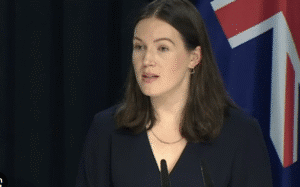
After the report’s release, Government leaders rejected the recommendation for changes to the Citizenship Act (see here as an example). This reflects the Government’s repeated focus on formal-equality – one rule for all, regardless of whakapapa. The Tribunal, by contrast, called for substantive equity.
| Tribunal View | Government View |
| Substantive equity: Equal outcomes sometimes require different treatment recognising whakapapa and Treaty rights. | Formal equality: One rule should apply to all, regardless of whakapapa. |
| Te Tiriti requires active protection, partnership, and recognition of tangata whenua. | Te Tiriti interpreted narrowly; focus on administrative efficiency. |
| Law should be re-designed with Māori through co-design and with tikanga pathways. | no commitment to reform; current system considered adequate. |
Key Takeaways for Treaty-Responsive Policy
The Government’s “one rule for all” stance underscores why we cannot wait for legislative change. Every policy writer, analyst, and organisational leader has a role in giving effect to Te Tiriti o Waitangi — in the way policies are designed, interpreted, and applied today.
1.Fairness is not sameness
Avoid “identical treatment” language. Design policies that recognise different contexts and lived realities, so outcomes are equitable.
2. Name tangata whenua explicitly
Silence about Māori was one of the Act’s central flaws. Policies should state how they recognise Māori as tangata whenua and uphold rangatiratanga.
3. Ensure pathways that respect tikanga and whakapapa
If a process requires evidence, ensure iwi-endorsed or whānau-verified pathways are provided alongside western modes of evidence.
4. Co-design where possible
Crown-funded agencies work with iwi, hapū, and Māori organisations to shape policy intent, criteria, and implementation — not just consultation after drafting.
5. Monitor and address inequities
Monitor and address where current policies cause harm, exclusion, or delay for Māori. Use these insights to improve our policies and programmes and support broader change.
FAQ: He Tangata, he Whenua and Treaty Obligations
Q: What is He Tangata, he Whenua?
A: It is a 2025 urgent Waitangi Tribunal report examining how NZ’s Citizenship Act breaches Treaty of Waitangi principles by privileging birthplace over whakapapa.
Q: How does the Citizenship Act breach Treaty principles?
A: By ignoring whakapapa as the foundation of belonging, the Act undermines rangatiratanga, partnership, and active protection, entrenching systemic discrimination.
Q: What can policy writers do now?
A: Reference Te Tiriti o Waitangi and embed Treaty principles into policy design and substance, recognise tangata whenua explicitly, co-design with Māori, and ensure pathways that respect tikanga and whakapapa.
Q: Why is “fairness is not sameness” important?
A: Because identical treatment often reproduces inequity. True fairness requires recognising difference and rights so outcomes are equitable.
Closing
Keisha Castle-Hughes called the system “deeply, systemically racist.” (para 3.3.2) The Tribunal showed why. The Government says it will keep the “same rule for everyone.”
For those of us charged with writing and interpreting policy, the message is clear: we can’t wait for the Crown to catch up with the Treaty. The onus is on us to progress this vital work with the guidance of experts like the Waitangi Tribunal.