
Te Tiriti o Waitangi
Court views on Tīkanga Māori for your policies and procedures

It’s Matariki and on Friday, we in Aotearoa/NZ are looking forward to the first public holiday held to celebrate Matariki. Matariki marks the beginning of the Māori New Year.
Matariki provides opportunity for organisations to put your policies and procedures to respect tikanga Māori into action.
With Matariki upon us, I thought it was a good time to look at the recent findings of the High Court about tikanga Māori in Ngāti Whātua Orākei Trust v Attorney General. The case involved a dispute over the mana whenua claim of Ngāti Whātua Orākei to central Auckland in the context of a Treaty settlement claim.
Court findings about Tikanga

The case involved an extensive discussion by the Court about tikanga and how it should be applied as part of the law. The discussion is relevant to how we put our workplace policy commitments to respect tikanga Māori into action. The Court found that:
- Tikanga describes a set of mutually reinforcing and interlocking values or principles that guide what is “tika” or right in a situation. It reflects the interconnections of land, wairua/spiritua world and people – mana atua, mana whenua and mana tangata. (See decision at p121)
- Citing the Waitangi Tribunal, the Court accepted that tikanga is fundamental to iwi, hapū identity (at p121). It is developed by iwi and hapū and guides the exercise of rangatiratanga.
- Because it is linked to hapū and iwi identity, tikanga is not a universally agreed law or protocol applicable to all areas/rohe.
- As accepted by a range of experts in the case, there are some core principles or guidelines about tika that are accepted across Maoridom. Acknowledgement of Matariki is one example, Tangihanga would be another. How these are applied and practised though may well vary across iwi.
- Tikanga evolves and changes over time as circumstances change. It is a “way of life” not easily reducible to oral or written word. (Court citing Dr Te Kahautu Meredith, p123).
- Tikanga was the first law of Aotearoa, an expression of Tino Rangatatiratanga of iwi, hapū.
- Tikanga is a “free-standing” legal framework. In the Court’s view, it is the most appropriate form of law to apply to inter-iwi disputes. It held that neither the Crown nor parliament determines mana whenua or ahi kā. The relevant tikanga should be decided on by the iwi and hapū involved in the dispute.
Tikanga for your policies and procedures

Recognition and respect for tikanga is a Treaty of Waitangi obligation. Article 2 of the Treaty.
It’s also a requirement of the Health and Disability Standards and the Social Sector Accreditation Standards along with recognition and respect for our national language – Te Reo Māori.
Respect and promotion of tikanga Māori should therefore be a key part of policies and procedures for social, community and health services.
With Matariki upon us, it’s a great time to put your policy of supporting Tīkanga Māori into action in your workplace. This could involve:
- supporting local marae events
- consulting with kaumatua, kuia about the whakapapa of Matariki in your rohe
- following up on some of the great ideas proposed here.
For more about Matariki and what it means check out these resources:
Matariki opportunities and significance in the workplace
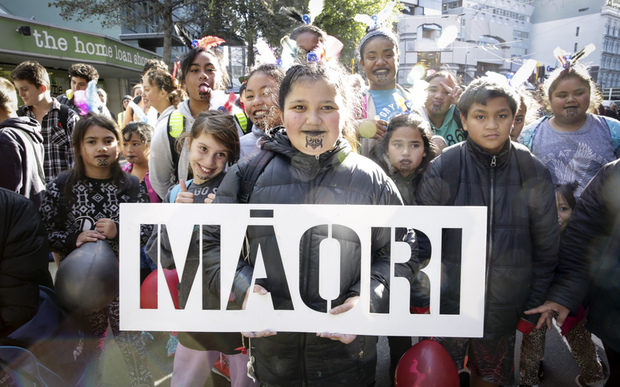
June 24, 2022 is going to be the first day on which we celebrate Matariki as a country. It’s our first official indigenous public holiday and the first time we recognise the Māori calendar – maramataka.
The intention to legislate for Matariki was announced on 4 February 2021. It became law last night – Te Pire mō te Hararei Tūmatanui o te Kāhui o Matariki/Te Kāhui o Matariki Public Holiday Act.
What Matariki means for your workplace
Dates will change
The holiday is not always going to be 24 June. It’s going to be observed annually on the dates set out in the legislation for the next 30 years and beyond.
There’s different traditions
Don’t assume there is only one way to celebrate Matariki or that it means the same for everyone.
Yes, it’s a constellation of stars seen in the Tangaroa lunar phase of the month of Pipiri, which is usually around June and July. But it is celebrated differently in different areas/rohe of Aotearoa.
It is widely known as the start of the Māori New Year. But there are many traditions across iwi and hapū. In Taranaki, for example, Matariki is known as Puanga. It’s regarded as a time to recognise all the ones we’ve lost over the last year. It acknowledges the rhythm of winter – the need to get crops and kai/food ready to hunker down for the cold.

Opportunities of Matariki
You can gear up for Matariki in the workplace and use it as a platform to support cultural competency and understanding of Te Tiriti o Waitangi and mātauranga Māori amongst staff.
Find out how Matariki is celebrated in the rohe/area of your workplace and encourage staff to share about its significance to them.
If you’re a business looking for commercial opportunities consider profit with purpose – how your service or product can contribute to growing awareness and understanding of Matariki and other indigenous traditions of Aotearoa.
The official marking of Matariki could be the first big step towards restoring the Māori calendar – maramataka in Aotearoa/NZ. Maramataka, unlike the Gregorian calendar, is based on the land and rhythms of Aotearoa and the Pacific. Are there other opportunities to observe Maramataka in your work/mahi?
So Matariki brings opportunities – to celebrate, reflect, learn and advance. Let’s plan for it now.
For more about Matariki and what it means check out these resources:
Treaty-based change for NZ’s health & disability system
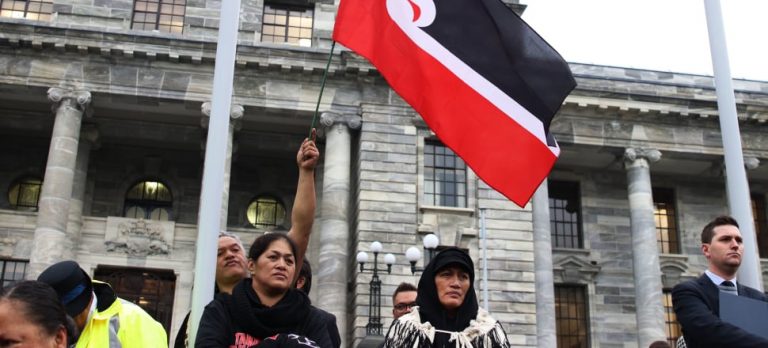
We’re in for a new Treaty-based health and disability system. That’s one of the recommendations of the final report on the Health and Disability System Review.
The Review recommends that the Treaty/ te Tiriti principles are embedded through New Zealand’s health and disability system. It also recommends amending the New Zealand Public Health and Disability Act 2000 to reflect more recent interpretations of the Treaty of Waitangi (for the final report see here).
The Waitangi Tribunal’s principles will be important.
In its report – Hauora: Report on Stage One of the Health Services and Outcomes Kaupapa Inquiry (Hauora report)25 (Wai 2575) -the Tribunal criticised the 3 Ps approach to Treaty interpretation (Participation. Instead, it outlined 5 Treaty principles for our future health system (see below).
(For more about what the Tribunal report check out Learning from the Tribunal Health Report)
Learning from the Waitangi Tribunal Māori health report
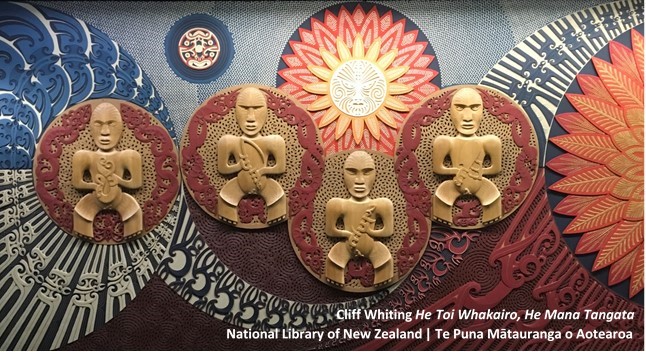
The first report from the Waitangi Tribunal of its Kaupapa Inquiry into Māori health – Hauora – was released this month. It concluded that our primary health care system has failed to achieve Māori health equity; that New Zealand’s legislative, policy and administrative framework is not, in fact, fit to achieve this outcome.
News reports have highlighted the Tribunal’s findings of institutional racism. Here, we discuss some other aspects of the Tribunal’s report to help agencies give effect to some of the gems in the report (eg in their policies and practices).
We look first at the Tribunal’s approach to the Crown’s 3 Ps Treaty framework. We then look at new Treaty principles proposed by the Tribunal. Later, at some strategies for reflecting these principles.
The “3 Ps” – out with the old
The “3 Ps” comprise the well-established Crown Treaty framework – the principles of partnership, participation and protection. They came out of the Royal Commission on Social Policy in 1986.
The Tribunal described these principles as outdated and the Crown accepted that they reflect a “reductionist view” of the Treaty (Hauora, p79).
Thirty years on, with a lot more Treaty jurisprudence and Treaty settlements under our national belt, there’s clearly room to do better. The Tribunal proposes a new set of Treaty principles for New Zealand’s primary health care framework.
They are principles the Tribunal has relied on in a number of key reports (eg Te Whānau o Waipereira Report; The Napier Hospital and Health Services Report; Tū Mai Te Rangi! Report on the Crown and Disproportionate Reoffending Rates.) They are relevant to all sectors. We briefly outline them below by reference to the articles of Te Tiriti o Waitangi.
Tribunal treaty principles
Principle 1: Recognition and protection of tino rangatiratanga
This is guaranteed under Article 2 of Te Tiriti. It means that the right of Māori to organise in whatever way they choose – whānau, hapū, iwi or other form of organisation and to exercise autonomy and self-determination to the greatest extent must be recognised and protected.
Principle 2: Equity
This is an Article 3 Treaty commitment. It’s also about acting in good faith as a Treaty partner.
Equity is not just about allowing equal access to healthcare or other services for all. The Waitangi Tribunal highlighted that equity is also not just about reducing disparities. It involves the bigger goal of equitable outcomes for Māori.
The Tribunal approved the World Health Organisation’s definition “Equity is the absence of avoidable or remediable differences among groups of people, whether those groups are defined socially, economically, demographically or geographically.” (Hauora, p67)
Principle 3: Active protection
This principle is all about action and leadership. Devolution and permissive arrangements without Treaty leadership are not sufficient. Provision for equal opportunity or a “one-size fits all” approach also falls short.
The Crown must actively pursue and do whatever is reasonable and necessary to ensure the right to tino rangatiratanga and to achieve equitable health and social outcomes for Māori.
Principle 4: Partnership
Yes, this “P” remains. Its meaning reflects an interplay of articles 1 and 2 of Te Tiriti o Waitangi.
For the Crown to be a good governor it must recognise and respect the status and authority of Māori to be self-determining in relation to resources, people, language and culture (ie tino rangatiratanga). It must involve Māori at all levels of decision making.
Both the Treaty parties must act reasonably and in good faith towards each other.
Principle 5: Options
This principle is about giving real and practical effect to the principles of tino rangatiratanga and equity; articles 2 and 3 of Te Tiriti. Where kaupapa Māori services exist, Māori should have the option of accessing them as well as culturally appropriate mainstream services. They should not be disadvantaged by their choice.
It’s the job of the Crown to ensure each option is viable and sustainable by providing sufficient financial and logistical support, strong leadership and effective monitoring.
Report findings
The Tribunal concluded that the Crown had breached the Treaty in a number of ways. It found that from inception Māori primary health care organisations have been significantly underfunded, leading to a decline in the number of services. Whereas at a peak there were 14 Māori primary health organisations in the country, there are now only four (Hauora,p156).
A similar story of unrealised potential and breaches of the partnership and tino rangatiratanga obligations can undoubtedly be told in other sectors. For example, Iwi Social Services and Maatua Whangai were incorporated into the Childrens Young Persons and their Families Act (ie Oranga Tamariki Act) in 1989. They were established to play a key role in the statutory care system in response to Puao-Te-Ata-tu. However, they were undermined by a lack of resourcing and support (eg Shane Walker, Maatua Whangai o Otepoti Reflections -ANZASW).
The Tribunal report makes a number of recommendations. This includes two interim recommendations, that:
- an independent Māori statutory authority be explored
- the Crown and claimants work on a way of assessing the extent of underfunding of Māori primary health organisations and providers.
The parties must report back to the Tribunal on progress with these after 7 months.
Some learnings
There’s some great learning in the Tribunal report about giving effect to Te Tiriti o Waitangi. Some key points for organisations’ policies and practice are that:
- agencies should have a strong leadership focus on fulfilling Treaty obligations and achieving equitable outcomes for Māori
- feedback and data should be gathered about access and outcomes for Māori. It should be regularly reviewed, evaluated and used to support continuous improvement
- if you’re not making progress be wary of attributing blame to clients. Instead, consider different ways of delivering your service
- avoid deficit language “hard to reach”, “vulnerable children” that tend to individualise what are often structural or system issues
- consider and invest time, good faith and energy into building constructive treaty partnerships (with mana whenua, local Māori, tau iwi agencies)
- the Crown must ensure funding of kaupapa Māori services is sufficient for their viability and that mainstream services it funds are competent to provide services to Māori (ie staff and board are culturally competent)
- Māori are engaged at all levels of social and health sector decision-making from governance through to service delivery.
More to come
There’s more in this and other Waitangi Tribunal reports to learn from. Like other Tribunal reports its rich in opportunities to learn about Treaty compliance.
In another blog we’ll take a look at how the Social Sector Accreditation Standards- Level 2 and Core Health and Disability Standards line up with the Tribunal’s approach.
Get in touch with us if you’re wanting help with your policies and procedures. We love to hear from you.