
Governance
AI Governance for Australian Nonprofits: Privacy, Risk & Compliance Guide

AI is rapidly reshaping Australia’s social and community services. Tools for case note summarisation, triage, transcription and safeguarding alerts are increasingly used by frontline teams.
But these benefits come with serious risks like privacy breaches, bias, inaccurate inferences, poor transparency and the potential for harm in sensitive service areas. As a result, AI governance is now a core leadership and board responsibility.
This guide explains current Australian expectations, risk considerations, and practical governance steps for NGOs, NFPs and community health providers.
Why AI Governance Matters for Australian NGOs (Regulations & Risks)
Australian regulators have strengthened expectations around AI use across both public agencies and funded social services. Key obligations include:
- The Privacy Act 1988 applies to all personal information used or created by AI – including inferred and inaccurate (“hallucinated”) data.
- OAIC guidance warns organisations not to input personal or sensitive information into public AI tools like ChatGPT or Gemini.
-
Government AI guidelines (including procurement rules) now influence requirements for funded NGOs, even if not legally mandated.
- States like Queensland require structured AI governance, transparency and documentation.
- Trauma‑informed practice, cultural safety, and frameworks like MARAM cannot be automated or delegated to AI systems.
Practice Requirements
- Trauma‑informed practice, cultural safety, and frameworks like MARAM cannot be automated.
- AI must never replace professional judgment in high‑risk or complex client scenarios (family violence, mental health, child safety, disability).
For organisations handling highly sensitive data, these safeguards are essential.

Common Types of AI Used in Australian Community Services (and Related Risks)
1. Productivity, Case Notes & Documentation Tools
Frontline staff commonly use AI to summarise notes, generate letters or draft reports.
- Microsoft 365 Copilot: Ensure correct tenant configuration, data residency and governance.
- ChatGPT & Gemini (public versions): High risk due to data transfer to external servers—no identifiable information should ever be entered (check OAC guidance)
- Transcription apps (Otter.ai, Fireflies, Read.ai): Check consent requirements, recording laws and overseas storage.
2. Client & Case Management Systems
Platforms like Lumary, SupportAbility and CareMaster increasingly embed rules‑based and machine‑learning features (eg predictive rostering, pattern detection).
Governance requirement: Treat embedded automation as AI, especially when influencing client outcomes or service decisions.
3. Intake, Triage & Crisis Navigation Tools
Some NGOs are using AI for crisis navigation, service triage and call summarisation.
Risks:
- People may not know AI is collecting or processing their information.
- AI must never replace practitioner-led risk assessment in family violence or mental health contexts.
4. Safeguarding, Incident Monitoring & Pattern Detection
Emerging AI systems detect crisis escalation, repeated contacts, anomalies or risk patterns.
Governance implications:
- These uses must meet principles of fairness, accountability and contestability.
- Boards must require human oversight, explainability and escalation pathways.
5. Internal Knowledge Assistants & Policy Tools
Lower risk tools that summarise policies, guide staff to procedures or assist with compliance.
Still requires:
- Role‑based access
- Documentation
- Privacy impact assessments where personal information is involved
Legal, Ethical & Sector Requirements
Privacy & Data Protection
NGOs must:
- Address potential AI bias and impacts on marginalised communities
- Respect Indigenous Data Sovereignty principles
- Disclose AI use in privacy policies when it:
- influences service decisions
- collects or processes personal information
- generates inferred client data.
Sector-Specific Obligations
Particularly for family violence, youth services, mental health, disability and addictions:
- Trauma‑informed practice must guide all AI-supported activities
- MARAM and clinical governance frameworks cannot be automated
- Human review is mandatory for all decisions that affect client safety and wellbeing.

Board Responsibilities and Governance Checklist
1. Oversight
- Maintain an AI register.
- Require Privacy Impact Assessments (PIAs) and AI Impact Assessments
- Approve procurement standards for AI‑enabled tools
2. Safety & Ethics
- Define decisions that must remain human-led (risk assessment, clinical decisions).
- Ensure AI use supports trauma‑informed, client‑centred practice.
3. Cultural Safety & Equity
- Respect First Nations data governance principles.
- Recognise the prevalence and impacts of bias in AI tools
- Ensure cultural safety in policies and practices for Responsible AI use
4. Risk & Documentation
- Integrate AI into your Risk Register.
- Maintain records of your decisions, training and approvals.
- Ensure role‑based access and data controls.
5. Transparency
- Update privacy policies.
- Inform service users when AI is used in their data processing.
Summary: For Leaders and Boards
- AI use triggers significant privacy obligations.
- Boards – not IT – hold governance responsibility.
- Sensitive data must never enter public AI tools.
- AI must not replace practitioner risk assessment.
- Cultural Safety is a core requirement of responsible AI use.
- Transparency and human oversight are non‑negotiable.
Frequently Asked Questions
Can Australian NGOs use ChatGPT for case notes?
Usually no. Personal, sensitive or identifiable client information must not be entered into any publicly accessible AI tool, including ChatGPT, Gemini, low‑cost AI bots, or consumer‑tier versions of Copilot.
Case notes should always be:
- written contemporaneously with the event
- specific to the client and context
- based on the practitioner’s professional judgement
- defensible and able to be explained by the writer if reviewed
The OAIC explicitly warns organisations not to input identifiable information into public AI tools, as these systems may store, transmit or reuse data outside your control. Because case notes contain highly sensitive client information, they cannot be safely or lawfully created, summarised or drafted using public AI applications.
Secure, organisation‑approved tools with correct governance, data residency and access controls must be used instead.
Do NGOs need AI Impact Assessments?
Yes—expectations for public agencies now flow directly to funded NGOs.
Assessments help identify and manage risk and demonstrate responsible AI use.
What AI decisions must always remain human-led?
Family violence risk assessment, clinical judgment, safety planning and any decisions affecting a person’s wellbeing.
Are transcription apps safe for sensitive meetings?
Only with explicit informed consent, lawful recording and secure data storage.
What Policies Do We Need? A Simple Guide for NZ Agencies

One of the most common questions we get asked especially from small teams, community and social services is “what policies do we need.” Organisations want to be compliant with the law and regulatory standards but don’t want to drown in paperwork and needless policies.
In this post, we look at some of the “must-have” policies that every organisation needs, plus service-specific policies that depend on what you do. Our focus is on policies for Aotearoa New Zealand that reflect local legal and contractual requirements.
Why Having the Right Policies Matters
We’ve written before about the need for current and relevant policies in your workplace. (See here –The Risks of Outdated Policies; The Policy Place: Audit Ready Policies for Health and Social Services)
But just to recap – having the right policies in place is important because it helps you:
- Meet your legal and regulatory obligations (eg Social Sector Accreditation Standards; Ngā Paerewa Health and Disability Services Standard; Performance Standards for Registered Community Housing Providers )
- Comply with contracts – this is important for contracts with agencies like Health NZ & Disability Support Services contracts that include quality requirements to be met
- Maintain your kaupapa and protect those you service, as well as staff, volunteers, and the interests of your organisation
- Reduce risk and support good governance and leadership
Poorly designed or missing policies are one of the most common findings in audits, accreditation processes, and investigations. Getting the right policies in place is one of the simplest ways to strengthen your organisation and keep your agency compliant with the law and relevant regulations.
Core Policies Every NZ Community or Social Service Organisation Needs
There are a few “must-have” policies. If nothing else, make sure these are in place and up to date.
-Health and Safety Policy

Covers your obligations under the Health and Safety at Work Act 2015. It will include how you identify hazards, manage risks, protect staff/kaimahi, manage incidents and emergency preparedness.
– Privacy and Confidentiality Policy
Required under the Privacy Act 2020 and the Health Information Privacy Code 2020 for any organisation that collects and deals with personal or health information. It covers information safeguards, information sharing and breach of privacy management.
– Code of Conduct
Outlines expected behaviour for governance, management and staff. It supports values in action, organisational standards and disciplinary processes.
– Complaints and Feedback Policy
This is a must-have for transparency and ongoing learning and improvement in an agency. It supports client rights, and is required in most funding arrangements. The staff version – Grievance and Disputes – encourages early resolution of workplace issues guiding how concerns should be raised and addressed in the workplace.
– Conflict of Interest Policy
For charitable and NFPs, a conflict of interest policy is essential. It supports transparency and integrity of board decisions and processes and ensures process and for governance entities like boards and trusts and for organisations where whānau and community relationships overlap.
– Equity/Diversity Policy
This supports an organisation to give effect to Te Tiriti o Waitangi and comply with the Human Rights Act 1993 and Employment Relations Act 2000. It is a cornerstone for an inclusive and equitable culture.
– Recruitment, Safety Checking, and Police Vetting Policy
This is a legal and regulatory requirement for services working with children/rangatahi and vulnerable people.
Operational Policies Most Organisations Need
This next group of policies are not necessarily required by law but can be critical for smooth operations, audit readiness, and consistency.
-Information Technology and Cyber Security Policy
Covers safe and responsible use of devices, access control, cyber risks, management of data breaches, and secure disposal of equipment.
-Records Management Policy
Guides how documents are stored, accessed, retained, and destroyed.
-Finance and Delegated Authority Policy
Sets financial limits, outlines controls and steps to prevent and detect fraud.
-Child Protection/Safeguarding Policy
Guides the identification and reporting of child abuse concerns and is mandatory for children’s services.
-Professional Development Policy
This isn’t mandatory but will help organisations maintain standards and workers to maintain competence and professional requirements.
Service-Specific Policies You May Need
The policies you need depend on the activities and services you provide. Examples include:
– Work with children/tamariki or rangatahi
- Child Protection Policy
- Safer Recruitment
- Incident Reporting and Escalation
-Health and Disability Services
- Informed Consent
- Medication Management
- Infection Prevention and Control
- Use of Restraint/Enablers
- Behaviour Support
- Crisis or Critical Incident Management
- Emergency Preparedness
-Digital or remote services
- Telehealth or Teleconferencing
- Lone Working
-Home-based support or mobile services
- Home Visiting Safety
- Lone Worker Safety
- Travel and Transport
Governance Policies for Boards and Trusts
Good governance depends on having a few key policies:
- Guidance on Roles and Responsibilities
- Board Procedures
- Conflict of Interest
- Financial/Risk Management
- Trustee Responsibilities
How to Work Out What Your Organisation Needs

A simple checklist:
- Do we have legal obligations that require specific policies?
- Do our funders or accreditation standards specify required policies?
- Do we deliver services that involve safety risks or vulnerable people?
- Do we have areas that create confusion or inconsistency?
- Do staff ask for clarity around key processes?
If you answer yes to any of these, you likely need a policy to cover it.
Common Mistakes Organisations Can Make
- Having too many policies nobody reads
- Copying policies from larger organisations
- Outdated policies that don’t match current law and regulatory standards
- Missing core policies required for audits or accreditation

How The Policy Place Can Help
We provide a one-stop shop for all your policy needs whether in HR, employment, health and safety, privacy, cybersecurity, complaints etc. Our service is particularly effective for SMEs and community, health, and social service organisations across Aotearoa if you are wanting:
-

Policies to support compliance
- Policies spanning all areas of governance and operations
- Monthly reviews and updates to keep policies compliant
- Policies you can customise
- Full policy suites aligned with NZ law, standards, and contracts

If you’re unsure what policies your organisation needs, we can help you figure it out quickly and painlessly.
Your Policy Platform Just Got Smarter: Here’s What’s Changing

Policies shouldn’t feel rigid. They should move with your organisation — just like your people do. That’s why we’ve upgraded our policy platform: to give clients more flexibility, more tailoring, and more confidence in the way they manage compliance.
Our upgrade isn’t just a refresh. It’s a significant advance aimed at providing a smarter, more client-responsive service. Clients will notice a big difference!
Whether you have a small or large team or run a complex operation, you will find that customisation and the additional functions we are now providing means your policies fit more seamlessly into the way you work — not the other way around.
The New Norm – customisable online policies
We’ve introduced two new feature‑based plans, both with customisation included as standard. That means:
- Your plan is flexible – no more piecing together of add‑ons
- Better alignment of policies with your organisation’s size and complexity
- Simpler, more transparent pricing — making it easier to budget and plan.
For the details of each plan see here.
Here’s the translation of from the “old” to new plans.
| CURRENT PLANS | NEW PLANS |
| Essentials | Empower
Existing customers will retain Analytics (Statistics) but for new customers, this function will now sit with our Elevate plan. |
| Enhance / Quarterly Enhance Add paragraph + Manage files |
|
| Edit Edit core policy text |
Elevate
Going forward this plan will include some of our new functions that we have recently rolled out:
|
| Expand Add policy pages + categories |
|
| Kit & Caboodle Full customisation suite |
What’s Changing
We’ve kept all the things our clients rely on in particular, core policy content and resources to support compliance, but streamlined the way plans work:
- New Plan Structure: Both plans now include customisation options as standard. Some add‑ons remain, but they’re content‑based — like additional policy suites or our Template Form Starter Pack.
- Additional Functionality for clients already customising
- Updated Pricing: After holding our price steady for five years, we’ve introduced a small increase. From 1 January 2027, we’ll move to annual CPI‑related adjustments (around 2.5%) instead of larger jumps every 4–5 years.
This approach means fewer surprises, more transparency, and pricing that grows steadily with you.
What This Means for You
Here’s the great news:
- Our clients can start exploring your new customisation options right now.
- No functions will be removed from your current plan.
- Any edits you make during this interim period will remain available, regardless of the plan you choose.
- From 1 March 2026, we’ll transition existing customers to the new plan that most closely matches their current subscription, unless you let us know your preference beforehand.
In short: you keep everything you already have, plus you gain the flexibility to tailor policies in ways that better fit your organisation.
See It in Action
Want to get the best out of your upgraded platform? Join one of our upcoming webinars. We’ll walk you through:
- How the platform works with new customisation features
- The streamlined review process
- Practical tips for tailoring your policies with confidence
It’s the easiest way to see how these changes will make policy management smoother and more responsive for your team and a great opportunity to have your questions answered.
Webinar Schedule
Why We Made These Changes
We’ve always believed that policies should empower organisations, not hold them back. Over time, we learned that many clients wanted more flexibility than our original plans offered. Instead of asking them to buy add‑ons for every adjustment, we’ve built customisation into the core service.
Our goal is simple: to give you a policy platform that grows with your organisation, adapts to your needs, and makes compliance easier to manage.
Policies in the age of AI Hallucinations

In our everyday life, we wouldn’t rely on a person for advice who is known to hallucinate from time to time in their advice-giving. For the same reason, we cannot solely rely on generative AI tools for policy advice and development.
In this post, we focus particularly on the AI risk of “hallucination” and error and how best to manage these risks.
Hallucinations
Hallucinations are a well-known risk of using generative AI. They occur when an AI model makes up facts to respond to a prompt. They reflect that AI models are predictive systems designed to produce the most probable and plausible answer, not necessarily the most accurate or truthful answer.
It can be hard to identify an AI hallucination because they are typically framed in a convincing way.
Why are AI outputs so convincing when they are wrong?
I asked ChatGPT this question.
In its own words, the chatbot explained that “it was trained to sound convincing, not to be right.” In other words, the chatbot’s hallucinating is due to its training that a confident answer is more likely to be viewed as helpful than a hesitant answer; likewise that an answer that has the indicators of expertise (like tone and terms) is more likely to be seen as credible and reliable. AI has learned and reflects the shape and appearance of expertise without necessarily having the expertise itself.
This is quite a different scenario from how AI is sold – see, for example, the description of ChatGPT5 by the CEO of OpenAI as like having a “team of Ph.D. level experts in your pocket.” (NBC News Aug. 8, 2025)
AI at The Policy Place
At the Policy Place we use AI to assist our policy development and review work. We treat it like a junior policy assistant who can help us with a range of tasks like initial drafts, summaries etc We use other sources too like legislation, regulations, government websites, academic research and court and tribunal decisions for the development, reviews and updating of policies and procedures.
We have previously posted about the highly publicised Deloitte case where AI-generated citations used in a report for the Australian Government were found to be wrong and included fictitious citations. There have also been a number of legal cases reported overseas of AI used in cases and found to have produced fictional case citations and other inaccuracies. See here for a good list of Australian examples.
We understand how easily mistakes like this could happen. Unlike other sources we use, we find that checking AI outputs for hallucinations and errors is hugely time-consuming.
It is not only hard to spot hallucinations. When using AI, we have noticed that more data is generated by our prompting than if we did the whole task by hand. Sometimes, this is helpful and right on point. Other times, it can be completely superfluous and tie us needlessly up in checking and re-checking processes.
So we’re still a work in progress, striving for the productivity and efficiency gains of AI use while wanting to maintain our high standards for accuracy and quality in our policies.
Can AI check and verify?
If only we could rely on AI to do this. But we can’t.
At best we can ask AI to verify its outputs against its own training data. It cannot check and verify its outputs against sources like legislation, organisational documents, academic databases and expert reports. It cannot assess the truth or veracity of something.
With RAG – Retrieval-Augmented Generation – things are better. Hallucination risks are significantly reduced because AI answers are grounded in authorised content. AI outputs are also more consistent. But the truth and reliability of AI outputs depends on the authorised content/data.
Thinking about AI for policies?
If you’re thinking about using AI for your policies, think beyond the promises and “sell” of AI. Ensure you have the expertise and knowledge to check the AI outputs for quality, accuracy and hallucinations. Be pro-active about managing the risks of hallucinations and errors and ensure you have good policy guidelines for effective governance and management of AI.
Wanting to outsource your policies and procedures and the assurance of relevant policy expertise? Contact us NOW at The Policy Place.
Call us now
He Tangata, he Whenua: Treaty Obligations & Policy Action

“It is this real te ao Pākehā lens of what being Māori is. It is in these ways that I believe the system is deeply, systemically racist. That it is asking, ‘well, how Māori are you?’”
— Keisha Castle-Hughes, evidence to the Waitangi Tribunal (He Tangata, he Whenua, para 3.3.2)
“It was devastating that my children’s first experience of their own ancestral home has to be treated as unlawful immigrants. It was painful to see them treated as outsiders in their own tūrangawaewae.”
— John Ruddock, claimant evidence (He Tangata, he Whenua, para 3.5)

Keisha Castle-Hughes describes citizenship process as “incredibly racist”
What the Waitangi Tribunal Found in He Tangata, he Whenua
The Waitangi Tribunal’s urgent report He Tangata, he Whenua (pre-publication version) exposes how New Zealand’s Citizenship Act 1977 breaches the Treaty of Waitangi (Te Tiriti o Waitangi) principles. By privileging birthplace over whakapapa, the law continues to harm Māori and undermine rangatiratanga.
The Tribunal (paras 3.3-3.4) found breaches of:
- Rangatiratanga
and iwi). - Partnership
- Active protection
- Equal treatment
- Options
By treating whakapapa as a minor piece of paperwork rather than the foundation of belonging, the law entrenches systemic discrimination — not through malice, but through design.
Systemic Discrimination by Design
Tikanga experts explained that whakapapa is not “evidence” — it is identity. Pou Tikanga Waihoroi Shortland (2.2.1) told the Tribunal that under tikanga, whakapapa confers belonging wherever a Māori child is born.
Yet the Citizenship Act remains silent on Māori as tangata whenua and relies solely on birthplace and documentation.
The Tribunal rejected the idea that “treating everyone the same” equals fairness. True equality means recognising different circumstances so outcomes are equitable. A “one-law-for-all” approach, grounded in colonial assumptions, simply reproduces inequity.

The Crown’s Response vs Tribunal’s View
After the report’s release, Government leaders rejected the recommendation for changes to the Citizenship Act (see here as an example). This reflects the Government’s repeated focus on formal-equality – one rule for all, regardless of whakapapa. The Tribunal, by contrast, called for substantive equity.
| Tribunal View | Government View |
| Substantive equity: Equal outcomes sometimes require different treatment recognising whakapapa and Treaty rights. | Formal equality: One rule should apply to all, regardless of whakapapa. |
| Te Tiriti requires active protection, partnership, and recognition of tangata whenua. | Te Tiriti interpreted narrowly; focus on administrative efficiency. |
| Law should be re-designed with Māori through co-design and with tikanga pathways. | no commitment to reform; current system considered adequate. |
Key Takeaways for Treaty-Responsive Policy
The Government’s “one rule for all” stance underscores why we cannot wait for legislative change. Every policy writer, analyst, and organisational leader has a role in giving effect to Te Tiriti o Waitangi — in the way policies are designed, interpreted, and applied today.
1.Fairness is not sameness
Avoid “identical treatment” language. Design policies that recognise different contexts and lived realities, so outcomes are equitable.
2. Name tangata whenua explicitly
Silence about Māori was one of the Act’s central flaws. Policies should state how they recognise Māori as tangata whenua and uphold rangatiratanga.
3. Ensure pathways that respect tikanga and whakapapa
If a process requires evidence, ensure iwi-endorsed or whānau-verified pathways are provided alongside western modes of evidence.
4. Co-design where possible
Crown-funded agencies work with iwi, hapū, and Māori organisations to shape policy intent, criteria, and implementation — not just consultation after drafting.
5. Monitor and address inequities
Monitor and address where current policies cause harm, exclusion, or delay for Māori. Use these insights to improve our policies and programmes and support broader change.
FAQ: He Tangata, he Whenua and Treaty Obligations
Q: What is He Tangata, he Whenua?
A: It is a 2025 urgent Waitangi Tribunal report examining how NZ’s Citizenship Act breaches Treaty of Waitangi principles by privileging birthplace over whakapapa.
Q: How does the Citizenship Act breach Treaty principles?
A: By ignoring whakapapa as the foundation of belonging, the Act undermines rangatiratanga, partnership, and active protection, entrenching systemic discrimination.
Q: What can policy writers do now?
A: Reference Te Tiriti o Waitangi and embed Treaty principles into policy design and substance, recognise tangata whenua explicitly, co-design with Māori, and ensure pathways that respect tikanga and whakapapa.
Q: Why is “fairness is not sameness” important?
A: Because identical treatment often reproduces inequity. True fairness requires recognising difference and rights so outcomes are equitable.
Closing
Keisha Castle-Hughes called the system “deeply, systemically racist.” (para 3.3.2) The Tribunal showed why. The Government says it will keep the “same rule for everyone.”
For those of us charged with writing and interpreting policy, the message is clear: we can’t wait for the Crown to catch up with the Treaty. The onus is on us to progress this vital work with the guidance of experts like the Waitangi Tribunal.
Sensitive Claims Suppliers – Are You Ready for the 2025 ACC Annual Declaration?
If you’re a Sensitive Claims Supplier, your Annual Declaration to ACC is due by 1 August 2025. This is an annual requirement under the Sensitive Claims contract, and it confirms that you continue to meet your contractual obligations as a Sensitive Claims Supplier.
It’s more than a simple form—this self-assessment requires you to verify that your business has the necessary governance, policies, procedures, and quality assurance systems in place.
At The Policy Place, we help Sensitive Claims Suppliers across Aotearoa meet these ACC compliance requirements quickly and confidently, with tailored online policies and procedures that are aligned with the Sensitive Claims contract (Service Schedule).
What You Must Confirm in Your 2025 Annual Declaration
As part of your submission to ACC, you must confirm that your business has quality assurance systems in place to monitor:
- Staff competency
- Supervision and training compliance
- Ongoing training and professional development needs.
You also have to verify that you have the following documents up-to-date and maintained:
- Contract Management Checklist
- Provider Operating Procedures
- Service Governance Operating Procedures
- Privacy Policy
- Conflict of Interest Policy
- Health and Safety Risk Management Plan
- Business Continuity Plan
- Working with Māori Strategy
- Transition Plan
These are not just box-ticking items—they are essential to demonstrating that you are operating a safe, professional, and culturally responsive service.
How The Policy Place Supports Sensitive Claims Suppliers
We can't do it all for you, but we can help with your policies and procedures so you can meet your contractual requirements with confidence.
We provide online, contract-ready policies and procedures. We:

- Provide and update ACC-related policy content
- Provide policy content to support your business functions
- Provide 24/7 access to your policies and procedures by your Providers
- Support your implementation of policies
- Help you evidence quality assurance and governance during audits or checks
- Save you time so you can focus on delivering care
Whether you're a sole provider or a larger practice, we simplify compliance so you’re never caught out by upcoming reviews or contract audits.
📆 Be Ready by 1 August 2025
With the deadline fast approaching, now is the time to review your policies and ensure your Annual Declaration can be completed with confidence.
We can:
- Review your existing documentation
- Connect you to core policy content we've developed to support Sensitive Claims requirements
- Connect you to other policies you may need to operate successfully as a business
- Provide an easy-to-maintain online system designed for Sensitive Claims Suppliers
- Review and update your policies
👉 Book a free 30-minute consult or explore our policy packages now
Already Trusted by Other Sensitive Claims Providers
We already support a range of services delivering trauma-informed care throughout Aotearoa. We also support agencies and businesses that have diverse compliance needs including in Employment, Privacy, Cultural Safety, Health and Safety, Health and Disability.
Join them now and ease your load by making compliance straightforward and stress-free.
Call us now
The Policy Place – Specialists in policies and procedures for ACC-funded health and community services.
Co-Governance in your organisation
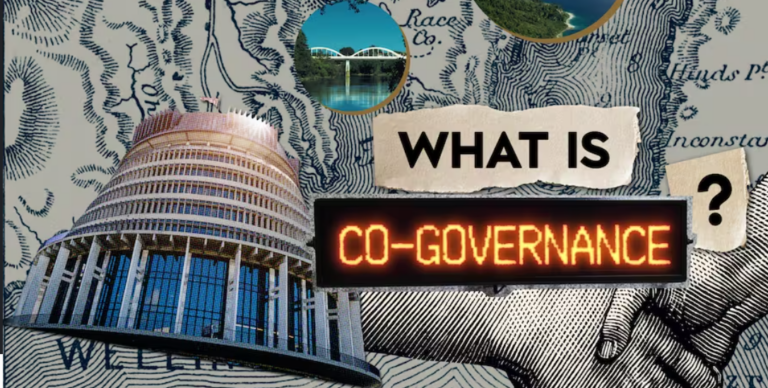
Co-governance is a misunderstood and much-maligned concept in Aotearoa/NZ. Although the current government does not support it as the basis for our health system, co-governance will continue to be of interest to organisations committed to bicultural and Treaty-based practice.
At the Policy Place, many of our clients and online members are deeply committed to Te Tiriti o Waitangi. In this post, we consider some governance and organisational arrangements to reflect this commitment and how policies and procedures can help.
Constitutional options for co-governance
Co-governance refers to an equality model of decision-making. It gives practical effect to the Te Tiriti undertakings of good governance, honourable partnership and protection and respect for Tino Rangatiratanga of iwi, hapū.
There are different models of co-governance. See here and here for more.
In a business or social or health service context, co-governance arrangements might involve Constitutional requirements for:
- the appointment of an equal number of Tangata Whenua and non-indigenous/Tau Iwi to a Board or other governance structure
- all or some decisions to be referred and approved by Māori and Tau Iwi caucuses
- parallel processes for Māori and non-Māori to make decisions, collaborate and access services
- respect for the values, tikanga, reo and other taonga of Māori/mana whenua
- kaupapa Māori – by Māori for Māori agency
- recognition of He Whakaputanga o te Rangatiratanga o Nu Tireni/The Declaration of Independence, Te Tiriti o Waitangi and NZ law
- explicit recognition and encouragement for liaison between Kaupapa Māori, iwi-based and mainstream services
- other arrangements as agreed between an organisation and mana whenua.
Policies and procedures to support co-governance
If you don’t have co-governance reflected in the Trust Deed or constitution for your agency, a Te Tiriti o Waitangi policy can be a great way to reflect and support a Treaty-based approach. See here for ideas on what can be covered in Te Tiriti o Waitangi policy.
Other policies and procedures to help give effect to Te Tiriti o Waitangi will include those addressing Diversity, Equity and Inclusion policies; Board Membership and Recruitment policies for Board and Staff.
Training and Induction for co-governance
The importance of governance and staff induction and training should not be forgotten. These processes will tautoko co-governance and help build cultural competency across your organisation.
Board induction will introduce new Board members to your Trust Deed/Constitutional requirements and the Board’s role in setting the organisational vision and strategy.
Staff induction will include coverage of your organisation’s values and key policies, procedures and documents.
Conclusion
Co-governance can be achieved at constitutional, governance and operational levels of organisations. It’s an important way to give practical effect to the undertaking of Te Tiriti o Waitangi and to steer an organisation in Treaty-based practice.
Incorporated Society Rules and the Treaty of Waitangi
Protect what’s important
With the new regime of the Incorporated Societies Act 2022 about to kick in it’s time to review and update your Incorporated Society Rules.
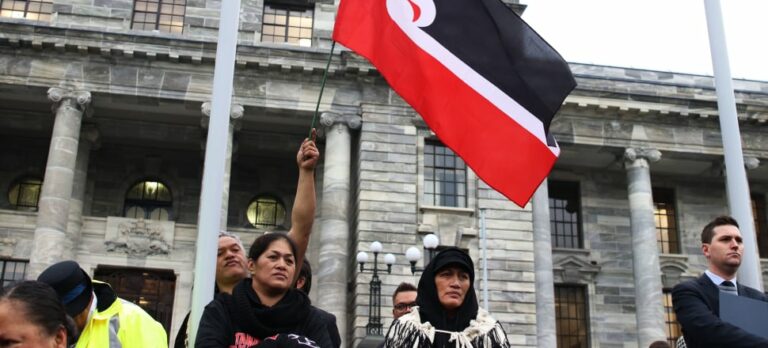
Incorporated Society Rules are an organisation’s Constitution. They are foundational and provide a great way of embedding your agency’s core values and commitment to Te Tiriti o Waitangi/Treaty of Waitangi.
In the build-up to the election in NZ, we’ve seen the Treaty of Waitangi treated like a political football. We’ve seen how important it is to therefore protect core values and principles from political whims and ignorance.
While we may not be able to do anything about the tactics of some political parties, we can do something in our own turf to strengthen our organisation’s commitment to the Treaty and give it enduring effect.
Update Incorporated Society Rules
Under the Incorporated Societies Act 2022, an organisation wanting to register or reregister for incorporation will have to provide a Constitution. If you’re already registered as an incorporated society, you’ll probably have to review and update your Rules or Constitution to meet the new requirements concerning officers, dispute resolution, membership and officer requirements.
While updating for these requirements, why not also update your Rules/Constitution to embed a strong Treaty focus in your organisation’s foundation? The Act allows a long time for an organisation to bring its Constitution up to scratch so there’s plenty of time to do things well.
At the Policy Place, we aim to embed the Te Tiriti o Waitangi into policies and procedures for members. The Treaty is a foundational document for Aotearoa. Its undertakings, such as respect for Rangatiratanga, protection of taonga such as te reo Māori and active pursuit of equity are also reflected in various compliance regimes that apply to our clients like the Social Sector Accreditation Standards and Ngā Paerewa Health and Disability Standard.
Here’s some ideas for embedding Te Tiriti o Waitangi into your Constitution as an incorporated society.
1. Principles
To future-proof your agency, state your purposes and values in your Rules/Constitution clearly. To incorporate Te Tiriti o Waitangi include principles like:
- Recognition of the rights of Māori as tangata whenua
- Kawanatanga – honour governance
- Rangatiratanga – right of Māori to self-determination and for Māori by Māori
- Oritetanga – equity
- Wairuatanga – respect for diverse values and spiritual beliefs. (see Waitangi Tribunal: Te Hauroa
2. Members and Officers
If you have charitable aims and are a mainstream agency, how about providing for co-goverance. This could reflect in your rules on membership, for example, requiring Iwi/Hapū nominated positions; and/or that there is an equal representation of Māori and non-Māori in officer positions.
3. Procedures in Incorporated Society Rules
Give substance to your Treaty principles through your Rules covering various procedural aspects:
- procedures for meetings – requiring the observance of tikanga Māori;
- a quorum – eg to comprise an equal number of Māori and non-Māori
- a quorum for Kaupapa Māori – comprise at least one representative from each participating Iwi, hapū
- meeting processes to include Māori Caucas or another way for Māori members to meet around and agree on initiatives of significance to the Society and/or whānau/tangata Māori
- opportunity for Iwi/Hapū representatives to consult prior to decisions
- encouragement and respect for ngā tikanga me te reo Māori in processes including conflict and dispute resolution
- the principle of “for Māori by Māori” will guide decision-making
- manaakitanga for meetings
- Cultural Advisor roles.
Conclusion
The Incorporated Societies Act 2022 came into force on 6 April 2022. The 1908 Act applies to an incorporated society until it registers under the new Act.
Organisations can register under the new Act from 5 October 2023 through to April 2026.
Agencies have the time to get their Constitutions into shape. Grab the chance to embed your Treaty and other core values into your Constitution.
Act now to protect the things you value. By incorporating the Treaty of Waitangi and other core values into your Constitution you give it a foundational status that can guide your organsiation into a positive and equitable future.
3 policy tips for your Governance/management relationship

Policies and procedures are vital to good governance in organisations and to a strong Governance/management relationship that is grounded in good faith.
Like any relationship in the workplace, expectations on both sides – Governance and management – need to be clearly articulated in policies. Processes are also needed to support the relationship and to guide what happens when the relationship is not going so well.
Governance/management is important
The importance of a healthy Governance/Management relationship is recognised by most accreditation systems. The Social Sector Accreditation Standards and Ngā Parewa Health and Disability Standard, for example, both require evidence of strong governance/management of services.
Three ways your policies and procedures can support the Governance/management relationship are through:
- Management delegation
- Oversight processes
- Governance parameters.
Management delegation

A delegation basically gives a Manager/Kaiwahakahaere a green light for what they can do and the decisions they can make.
A delegation is usually written and will formally authorise a Kaiwhakahaere to exercise certain responsibilities. But it can take different forms.
In the Policy Place online service, we have a policy page specifically addressing management delegation. Alternatively, a letter of delegation can be used.
Sometimes, a management delegation can be framed around limits. By outlining what a Manager/Kaiwahakahaere must not do, the delegation establishes the scope of what they can do. Or, as we do at the Policy Place, a delegation can signpost operational responsibilities in areas like human resources, finances, contracts and funding.
Whatever the form or style of delegation, the crux is to ensure that management can do their job and make the decisions that are necessary for the effective and efficient running of the organisation.
Oversight and support
 The role of Kaiwhakahaere/Manager is the main means by which Governance keeps informed about the organisation.
Organisational performance is integrally tied to the performance of management. It is through oversight of the Manager/Kaiwhakahaere that Governance gains an understanding of organisational performance and progress towards strategic goals.
To support this oversight, policies and processes should prescribe reporting to Governance about matters like:
- the financial status of the organisation
- achievement of milestones, including contractual obligations
- risk management
- staffing
- health and safety
- other issues of importance to the Governance role.
With this information provided on a regular basis, Governance can therefore stay updated about organisational performance and informed about what, if any, additional support or changes are needed to address risks, issues and to make the most of opportunities. It will also be enabled to respond in a timely way if performance issues are indicated, either with management or the organisation.
Board parameters
 Just as it’s important for the Kaiwhakahaere to know their delegated responsibilities, Governance also needs to be clear on its scope of authority.
At the Policy Place we address scope through online governance policies covering issues like:
- Key responsibilities of a Board/Management Committee or Collective – eg strategic planning, financial oversight, health and safety etc.
- Policy management – covering Governance versus management responsibility for operational policies
- Governance/management communication including who is authorised to speak for Governance, responsibility for liaison with management; notification of significant events (eg adverse incident).
- Management employment issues – the recruitment, appointment, remuneration and performance reviews of the Kaiwhakahaere/Manager.
Governance/management policies and procedures
Wanting policies about good governance and to support the Governance/management relationship in your agency?
Contact us at the Policy Place – Book your obligation-free consult or email or phone us. We would love to hear from you😊.
Governance and management policies and procedures

Do you have governance and management policies? They are a must for good governance. They are essential for any organisation that is a Trust or corporate body wanting to survive and succeed.
If you’re a member of a board or Trust that is too often lost in operational details, or a manager of a social or health agency struggling with too much reporting and not enough clarity in your role, keep reading. We aim to help.
The gains of governance management policies
 Governance and management policies and procedures can make a big difference. They provide many benefits if done correctly. The challenge for organisations is to achieve policies and procedures in this area that get the balance just right:
- help the Governance to govern
- support management to manage.
Policies about the role and responsiblities of governance and the parameters of management are particularly important if you want:
- more capacity by the board to focus on strategy and stewardship of the organisation
- feeling empowered as a manager and staff in the organisation
- greater accountability within and external to the organisation.
Not to mention funding.
If you’re government funded you have to have good governance and management policies to show you are a viable agency able to handle the responsibilities of working with often vulnerable people and handling taxpayer monies.
Governance and management policies and procedures are therefore required for accreditaton and quality assurance purposes for funded agencies in the social sector, health and tertiary education areas.

The risks
As a board member or manager, you may well be living day-to-day with the risks that go with poor governance management policies. The risks are considerable and include:
- fraud
- poor and damaged reputation associated with lack of transparency and accountability
- inefficiency associated with confused decision-making processes
- duplication across tasks and areas of responsibility
- a disinclination to act by staff for fear they lack authority
- high staff and board member turnover because of workload, high levels of dissatisfaction.
Online governance and management policies

At the Policy Place, we’re reviewing governance and management policies each time we bring an organisation into the online policy service.
We see a huge array of policies and procedures. A common problem is a lack of clarity around the role of governance versus management with too many responsibilities given to the board and not enough clarity around the management role.
When organisations are often struggling to get people on to their boards, we want to help.
Our online policies and procedures support a divide between governance and management roles to help the board focus on stewardship and management, on managing. Our online policies and procedures address areas like:
- roles and responsibilities of governance
- management delegation
- conflict of interest
- financial and organisational reporting
- risk management
- membership and recruitment of the board
- other areas
Our policies support organisations to comply with governance and workforce criteria in the Social Sector Accreditation Standards and Ngā Paerewa Health and Disability Standard.
Options
Good news – there’s options!
If you’re a board member struggling with too much or with the mahi of having to review policies, or if you’re a manager, who feels like the relationship between management and the board could be improved, you can:
- stick with the status quo
- give the Policy Place free trial a go
- take the leap and join up to the online policy service
- DIY – re-draft your policies to achieve more clarity and accountability
- check out 3 policy and procedure tips for effective financial governance for advice
- contact us to find out more about how the Policy Place can support you with your governance/management policies and procedures.